 EN
EN

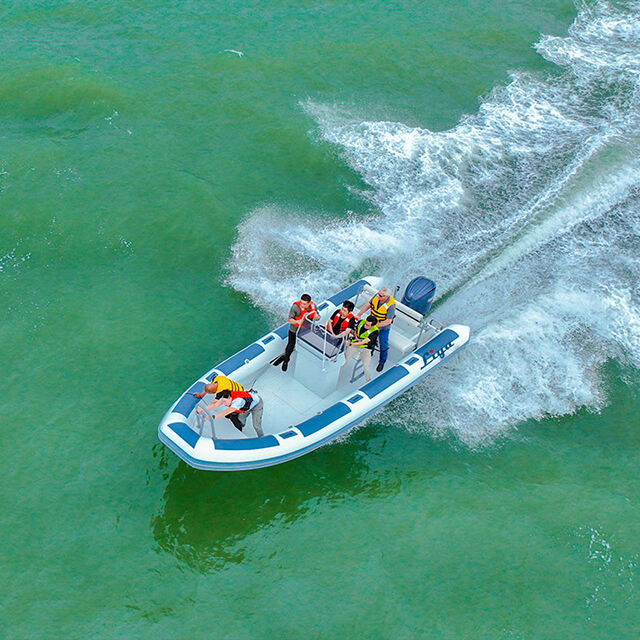
Professional marine operators across military, commercial, and emergency service sectors consistently choose Rigid Inflatable Boats as their preferred vessel for demanding operations. The superior performance characteristics and operational versatility of these specialized watercraft have established them as the gold standard for professional maritime applications. Understanding why marine professionals gravitate toward these vessels reveals the critical advantages that make RIB boats indispensable for serious maritime work.
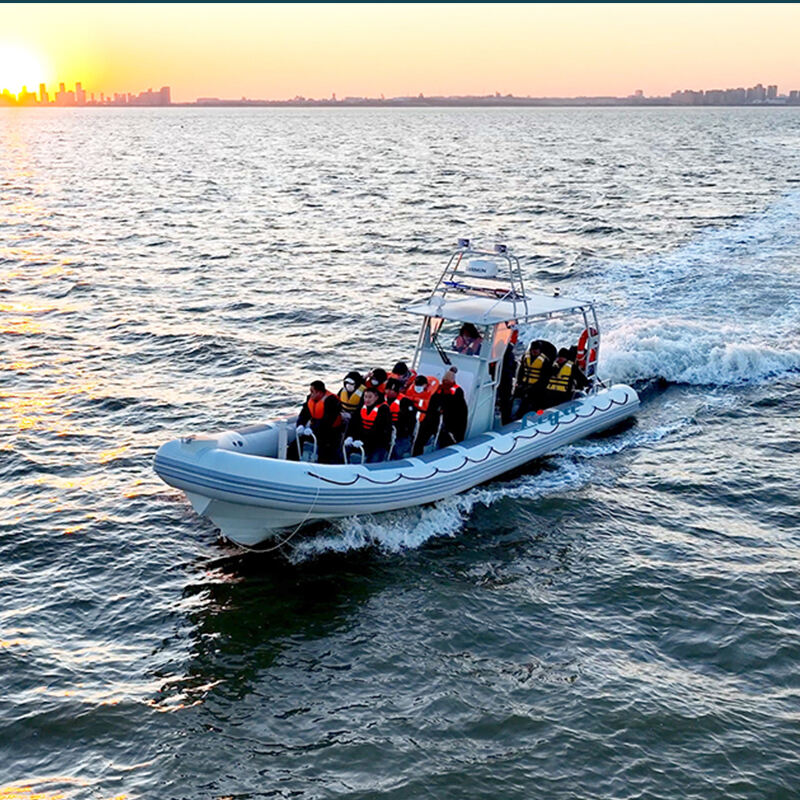
Unmatched Stability and Safety Performance
Advanced Hull Design Engineering
The rigid hull construction of professional RIB boats provides exceptional stability in challenging sea conditions that would compromise traditional vessels. The deep-V aluminum or fiberglass hull cuts through waves efficiently while the inflatable collar system absorbs impact forces and maintains positive buoyancy. This dual-structure design creates a platform that remains stable during high-speed maneuvers, equipment transfers, and personnel operations in rough waters.
Professional operators particularly value how the hull design enables precise handling characteristics essential for tactical movements and emergency response scenarios. The low center of gravity combined with the wide beam configuration ensures operational stability across various load conditions and sea states. Advanced hull engineering incorporates drainage systems and self-bailing capabilities that maintain vessel integrity during extended operations.
Enhanced Buoyancy and Damage Resistance
The segmented inflatable collar design provides multiple independent buoyancy chambers that ensure vessel survivability even when damaged. Professional marine operations often involve environments where puncture risks are elevated, making this redundant buoyancy system critically important. Each chamber can maintain vessel stability independently, allowing operations to continue safely even after sustaining damage to other sections.
Military and law enforcement agencies specifically require vessels that can withstand hostile conditions while maintaining operational capability. The robust collar construction using military-grade materials provides impact resistance against debris, docks, and other vessels during high-stress operational scenarios. This damage tolerance translates directly into mission success rates and operator safety margins that conventional vessels cannot match.
Superior Speed and Maneuverability Advantages
High-Performance Propulsion Integration
Professional RIB boats excel in speed performance due to their lightweight construction and optimized hull-to-weight ratios. The rigid hull design allows for powerful outboard motor configurations that deliver exceptional acceleration and top-end speeds required for pursuit, patrol, and emergency response missions. Modern professional-grade vessels can achieve speeds exceeding 40 knots while maintaining control and stability.
The propulsion system integration on professional RIB boats accommodates multiple engine configurations for redundancy and performance optimization. Twin-engine setups provide backup propulsion capability essential for extended operations away from support vessels. The hull design efficiently channels water flow to maximize propulsive efficiency while minimizing fuel consumption during long-duration missions.
Precision Handling Characteristics
The combination of rigid hull stability and inflatable collar cushioning creates handling characteristics that professional operators depend upon for precision maneuvering. Close-quarters operations around larger vessels, docks, and obstacles require responsive steering and predictable turning behavior that RIB boats deliver consistently. The low draft design enables operations in shallow waters where traditional vessels cannot navigate.
Professional marine operations frequently require rapid direction changes and emergency evasive maneuvers that demand exceptional vessel responsiveness. The rigid hull provides immediate steering response while the inflatable collar prevents the jarring impacts that would occur with hard-chined hull designs. This combination enables operators to maintain control during high-stress tactical situations where vessel handling can determine mission outcomes.
Operational Versatility and Equipment Integration
Modular Platform Capabilities
Professional RIB boats serve as versatile platforms that accommodate diverse equipment configurations for specialized mission requirements. The open deck layout and structural strength enable mounting of navigation electronics, communication systems, weapons platforms, and scientific instruments without compromising vessel performance. Modular design concepts allow rapid reconfiguration between different operational roles.
Military applications particularly benefit from the ability to customize vessel configurations for specific mission profiles including reconnaissance, interdiction, special operations support, and logistics transport. The structural integrity of professional RIB boats supports heavy equipment loads while maintaining speed and handling characteristics. Custom fabrication options enable integration of specialized systems for unique operational requirements.
Multi-Environment Operational Capability
The robust construction and versatile design of professional RIB boats enables operations across diverse marine environments from calm harbors to open ocean conditions. Beach landing capabilities allow direct shore access for personnel and equipment transfer without requiring dock facilities. The shallow draft and protective collar design enable operations in rocky areas and confined spaces where conventional vessels risk damage.
Professional operators value vessels that perform consistently across seasonal conditions and geographic regions without requiring extensive modifications. RIB boats maintain operational capability in extreme temperatures, heavy weather, and challenging sea states that would ground other vessel types. This environmental versatility reduces operational constraints and enables continuous mission capability regardless of conditions.
Cost-Effectiveness and Maintenance Advantages
Reduced Operational Expenses
The operational economics of professional RIB boats provide significant cost advantages compared to larger conventional vessels for many marine operations. Lower fuel consumption due to lightweight construction and efficient hull design reduces operational costs during extended missions. The ability to trailer and launch from various locations eliminates expensive marina fees and dock rental costs that burden larger vessel operations.
Professional fleet operators recognize the personnel efficiency advantages of RIB boats that require smaller crews while maintaining operational capability. The intuitive handling characteristics enable rapid crew training and cross-training programs that reduce personnel costs. Insurance costs are typically lower due to the proven safety record and damage resistance characteristics of professional-grade RIB boats.
Simplified Maintenance Requirements
The construction methods and materials used in professional RIB boats result in maintenance requirements that are significantly reduced compared to traditional vessel designs. The inflatable collar system requires periodic inspection and cleaning but avoids the complex maintenance schedules associated with fiberglass gel coat and wooden components. Aluminum hull construction provides corrosion resistance that minimizes maintenance in saltwater environments.
Professional operators benefit from the modular component design that enables field repairs and component replacement without extensive shipyard services. Standard marine hardware and readily available replacement parts reduce maintenance costs and vessel downtime. The robust construction tolerates demanding operational use while maintaining structural integrity over extended service life cycles.
Tactical and Strategic Operational Benefits
Stealth and Approach Capabilities
Professional RIB boats provide tactical advantages through their low radar signature and quiet operation characteristics that are essential for law enforcement and military applications. The inflatable collar design reduces acoustic signature while the efficient hull shape minimizes wake generation during approach operations. These stealth characteristics enable covert surveillance and interdiction missions that require undetected vessel movement.
The shallow draft and beach landing capabilities of RIB boats enable tactical insertion and extraction operations that bypass conventional port facilities. Professional operators can access remote coastlines and conduct operations from concealed launch sites that provide strategic advantages. The rapid deployment capability enables response times that conventional vessels cannot match for time-critical operations.
Multi-Mission Adaptability
The operational flexibility of professional RIB boats enables seamless transitions between different mission types without requiring vessel changes or extensive reconfiguration time. Search and rescue operations can transition immediately to law enforcement interdiction or security patrol missions using the same platform. This multi-mission capability maximizes resource utilization and operational efficiency for professional marine organizations.
Professional fleet managers appreciate vessels that can serve multiple operational roles while maintaining peak performance in each application. The standardized platform approach using RIB boats simplifies training programs, spare parts inventory, and maintenance procedures across diverse operational requirements. This standardization reduces complexity and costs while improving overall fleet readiness and capability.
FAQ
What makes RIB boats safer than conventional vessels for professional operations
RIB boats provide superior safety through their dual-hull design combining rigid stability with inflatable buoyancy chambers. The segmented collar system ensures vessel survivability even when damaged, while the deep-V hull design maintains stability in rough conditions. Professional operators benefit from impact-resistant construction and self-righting characteristics that conventional vessels cannot match in demanding operational environments.
How do RIB boats perform in extreme weather conditions
Professional RIB boats excel in challenging weather due to their low center of gravity and flexible collar design that absorbs wave impacts rather than fighting them. The rigid hull cuts through waves efficiently while the inflatable sections provide cushioning that reduces stress on crew and equipment. This design enables continued operations in sea states that would force conventional vessels to seek shelter.
What operational cost advantages do RIB boats provide for professional fleets
RIB boats deliver significant cost savings through reduced fuel consumption due to lightweight construction, lower insurance premiums from proven safety records, and simplified maintenance requirements. The ability to trailer and launch from multiple locations eliminates expensive dock fees while smaller crew requirements reduce personnel costs. Professional operators also benefit from reduced training time and standardized maintenance procedures across fleet operations.
Can RIB boats accommodate specialized equipment for different mission types
Professional RIB boats feature modular design concepts that enable rapid equipment configuration changes for diverse operational requirements. The structural strength accommodates heavy navigation electronics, communication systems, and specialized mission equipment without compromising performance. Custom mounting systems and equipment integration options allow professional operators to optimize vessel configuration for specific mission profiles while maintaining versatility for multi-role operations.