 EN
EN

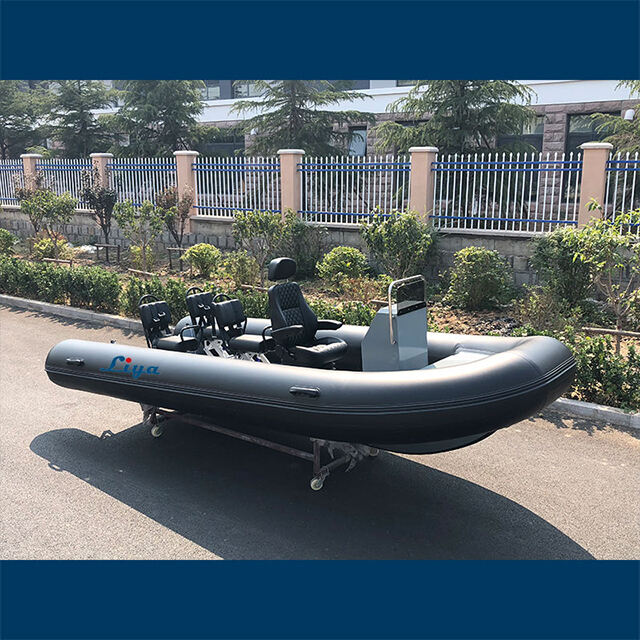
Proper maintenance is the cornerstone of keeping any marine vessel in excellent working condition, and this principle holds especially true for rigid inflatable boats. A well-maintained RIB boat delivers superior performance, enhanced safety, and extended service life, making it a reliable asset for both commercial and recreational operations. Understanding the comprehensive maintenance requirements ensures your investment continues to provide optimal returns while minimizing unexpected breakdowns and costly repairs. The durability and versatility that make these vessels so popular depend entirely on consistent care and attention to detail across all major components.
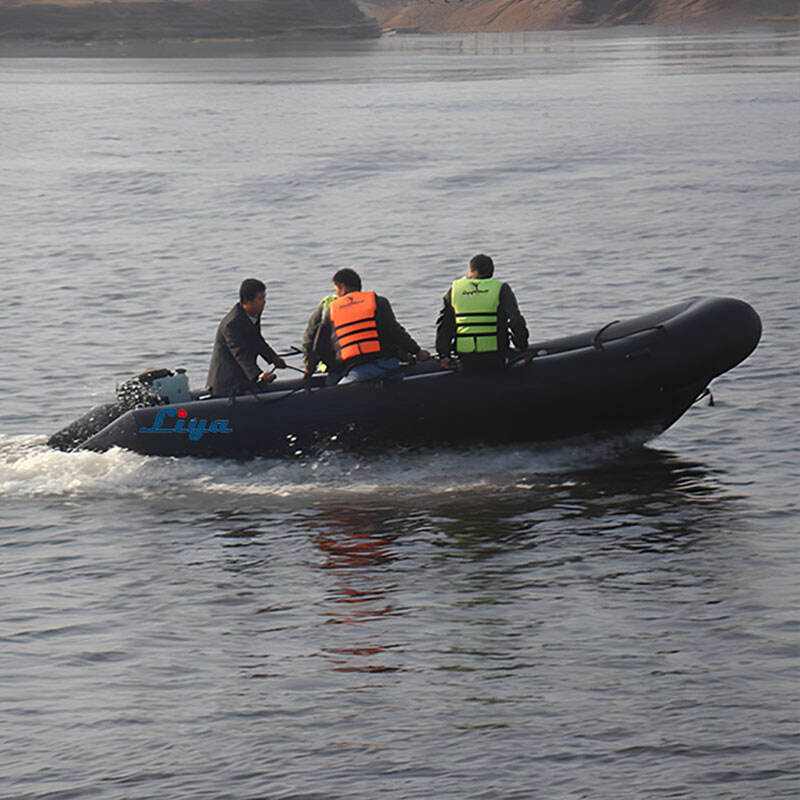
Essential Hull and Tube Maintenance
Regular Hull Inspection and Cleaning
The rigid hull forms the foundation of your vessel's structural integrity and requires systematic inspection to identify potential issues before they escalate. Regular visual examinations should focus on detecting cracks, stress fractures, or signs of impact damage that could compromise the hull's watertight seal. Professional-grade marine cleaners effectively remove salt deposits, algae buildup, and other contaminants that can cause long-term degradation if left untreated. The cleaning process should include both above and below the waterline areas, paying particular attention to the keel and transom sections where stress concentrations typically occur.
Hull maintenance extends beyond basic cleaning to include protective treatments that preserve the fiberglass or aluminum construction materials. Applying marine-grade wax or protective coatings creates a barrier against UV radiation, saltwater corrosion, and environmental pollutants that gradually deteriorate surface finishes. These protective measures not only maintain the vessel's appearance but also contribute to better hydrodynamic performance by reducing surface roughness and drag coefficients during operation.
Inflatable Tube Care and Inspection
The inflatable tubes represent one of the most critical maintenance areas for any RIB boat, as their integrity directly impacts buoyancy, stability, and overall safety characteristics. Regular pressure checks using accurate gauges ensure optimal inflation levels that maintain proper tube shape and performance specifications. Over-inflation can stress seam joints and fabric materials, while under-inflation reduces stability and increases vulnerability to puncture damage from debris or rough handling.
Tube maintenance protocols should include thorough cleaning with specialized inflatable boat cleaners that remove salt residue without damaging the PVC or Hypalon materials. Inspection routines must examine all seams, valve assemblies, and high-wear areas for signs of abrasion, cracking, or air leakage. UV protection becomes particularly important for inflatable components, as prolonged sun exposure causes material degradation that eventually leads to premature failure and expensive replacement costs.
Engine and Propulsion System Maintenance
Outboard Motor Service Requirements
Engine maintenance represents perhaps the most complex aspect of RIB boat care, requiring adherence to manufacturer-specified service intervals and procedures. Regular oil changes using marine-grade lubricants designed for saltwater environments protect internal components from corrosion and excessive wear. Fuel system maintenance includes replacing filters, checking fuel lines for deterioration, and treating fuel with stabilizers to prevent contamination and degradation during storage periods.
Cooling system maintenance proves critical for preventing overheating damage that can destroy expensive engine components within minutes of operation. Flushing procedures remove salt deposits and debris from internal passages, while thermostat and impeller replacements ensure adequate coolant circulation. Regular spark plug inspections and replacements maintain optimal combustion efficiency and reduce fuel consumption while preventing misfiring conditions that stress engine components.
Propeller and Lower Unit Care
The propeller and lower unit assembly endure tremendous stress during operation and require specialized maintenance attention to ensure reliable performance. Propeller inspection should identify bent blades, chips, or other damage that creates vibration and reduces efficiency while potentially damaging the engine's drive system. Regular removal and reinstallation allows for proper greasing of spline connections and inspection of internal components that wear gradually over time.
Lower unit maintenance includes regular gear oil changes using high-quality marine lubricants that protect against water contamination and component wear. The gear oil should be inspected for signs of water intrusion, which appears as milky discoloration indicating seal failure that requires immediate professional attention. Zinc anode replacement provides essential galvanic corrosion protection for underwater metal components exposed to saltwater environments.
Electrical System Maintenance
Battery Care and Management
Marine electrical systems face unique challenges from moisture, vibration, and temperature extremes that require specialized maintenance approaches. Battery maintenance includes regular terminal cleaning to prevent corrosion buildup that increases resistance and reduces electrical efficiency. Proper charging procedures using marine-rated chargers prevent overcharging damage while ensuring adequate capacity for starting and accessory power requirements.
Battery storage during off-season periods requires specific protocols including full charging, disconnection from all circuits, and storage in temperature-controlled environments. Regular electrolyte level checks for conventional batteries ensure proper chemical concentrations, while sealed battery types benefit from periodic load testing to verify capacity retention and performance characteristics under actual operating conditions.
Wiring and Connection Maintenance
Electrical connections in marine environments face constant exposure to moisture, salt spray, and vibration that gradually degrade performance and reliability. Regular inspection routines should examine all visible wiring for signs of corrosion, chafing, or insulation damage that could lead to short circuits or component failures. Protective measures include applying dielectric grease to connections and ensuring all junction boxes maintain proper sealing against moisture intrusion.
Navigation and safety equipment electrical systems require particular attention due to their critical role in vessel operation and emergency situations. Regular testing of lights, radios, GPS units, and safety equipment ensures reliability when needed most. Connection points should receive periodic cleaning and re-tightening to maintain proper electrical continuity and prevent the gradual degradation that leads to intermittent failures.
Safety Equipment and Systems
Life Safety Equipment Maintenance
Safety equipment maintenance extends far beyond simple inventory checks to include functional testing and periodic replacement of components that deteriorate over time. Life jacket inspection should verify proper buoyancy, secure strap systems, and intact fabric without tears or excessive wear that could compromise performance during emergency situations. Inflatable life jackets require specialized attention including CO2 cartridge replacement and inflation mechanism testing according to manufacturer specifications.
Emergency signaling equipment including flares, EPIRBs, and sound signals must receive regular inspection to ensure reliability during critical situations. Expiration dates provide important guidance for replacement schedules, while battery-powered devices require periodic testing and power source replacement. Fire extinguisher maintenance includes pressure gauge monitoring, mounting bracket inspection, and periodic professional servicing to maintain optimal firefighting capability.
Navigation and Communication Systems
Modern RIB boat operations depend heavily on sophisticated navigation and communication equipment that requires regular maintenance to ensure accurate performance. GPS systems benefit from software updates, antenna cleaning, and display screen protection against UV damage and saltwater corrosion. Chart plotters require database updates to reflect changing navigation hazards and regulatory requirements that affect safe passage planning.
Radio communication equipment maintenance includes antenna system inspection, connection cleaning, and periodic performance testing to verify transmission and reception capabilities. Emergency communication devices such as satellite communicators require battery maintenance, software updates, and subscription service verification to ensure connectivity during emergency situations when traditional communication methods may fail.
Seasonal Maintenance and Storage
Winterization Procedures
Proper winterization procedures protect your vessel from freeze damage while preparing all systems for extended storage periods. Engine winterization includes complete fuel system treatment, coolant system flushing, and fogging oil application to prevent internal corrosion during storage. These procedures must follow manufacturer specifications precisely to avoid warranty voiding and ensure proper protection against environmental damage.
Electrical system winterization involves battery removal for proper storage, connection cleaning and protection, and electronic equipment shutdown procedures that prevent parasitic drain and component damage. Inflatable tube preparation includes slight pressure reduction to accommodate temperature changes while maintaining structural support, plus thorough cleaning and UV protection application.
Pre-Season Preparation
Spring commissioning procedures systematically restore your vessel to full operational status after extended storage periods. Engine preparation includes oil changes, filter replacements, and cooling system inspection to ensure all preservation treatments are properly removed. Fuel system preparation involves fresh fuel addition, filter replacement, and system purging to remove any contaminants accumulated during storage.
Safety equipment inspection becomes particularly important during pre-season preparation, as storage conditions may have affected performance characteristics. All electrical systems require functional testing, connection inspection, and battery installation with proper charging verification. Hull and tube inspection should identify any damage that occurred during storage and address maintenance items that were deferred during winterization procedures.
FAQ
How often should I service my RIB boat engine?
Engine service intervals depend on usage patterns and operating conditions, but most manufacturers recommend professional servicing every 100 hours of operation or annually, whichever comes first. Saltwater operations may require more frequent maintenance due to increased corrosion potential, while freshwater use may extend intervals slightly. Regular oil changes should occur every 50 hours or quarterly, with additional attention to fuel system components and cooling system flushing after each use in saltwater environments.
What are the most common maintenance mistakes RIB boat owners make?
The most frequent maintenance errors include neglecting tube pressure checks, using automotive instead of marine-grade lubricants, and failing to flush cooling systems after saltwater use. Many owners also underestimate the importance of regular electrical connection cleaning and proper battery maintenance. Another common mistake involves storing the boat without proper winterization procedures, leading to expensive freeze damage and component degradation that could have been easily prevented.
How can I extend the lifespan of my RIB boat tubes?
Tube longevity depends primarily on UV protection, proper inflation maintenance, and careful handling during launching and recovery operations. Regular cleaning with appropriate marine cleaners prevents material degradation, while UV protectant applications shield against sun damage. Maintaining proper inflation pressure prevents stress concentrations at seams, and avoiding contact with sharp objects or abrasive surfaces prevents puncture damage. Storage in covered areas away from direct sunlight significantly extends tube life expectancy.
What warning signs indicate my RIB boat needs immediate professional attention?
Critical warning signs include any visible hull cracks, persistent air leaks in inflatable tubes, engine overheating, unusual vibrations during operation, and electrical system malfunctions affecting safety equipment. Oil leaks, fuel system problems, and steering difficulties also require immediate professional diagnosis. Additionally, any damage to safety equipment including life jackets, fire extinguishers, or emergency signaling devices should prompt immediate replacement or professional service to maintain vessel safety standards.