 EN
EN
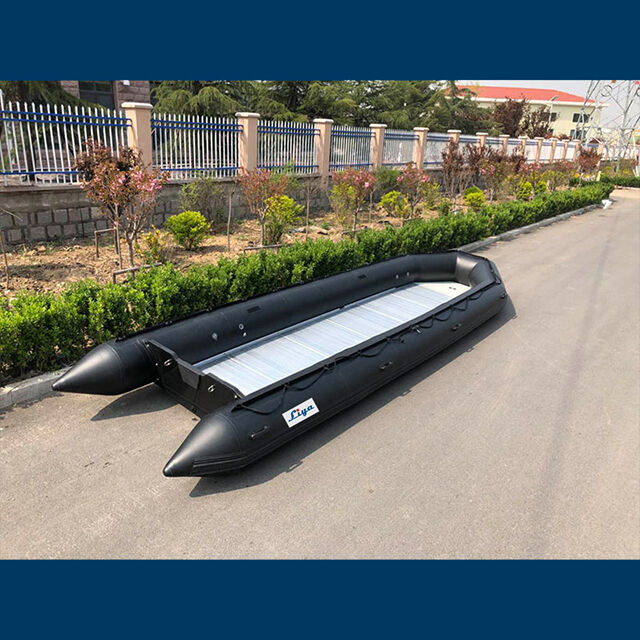
When considering marine vessel investments, buyers must carefully evaluate multiple factors to ensure their purchase meets specific operational requirements and performance expectations. The decision-making process involves understanding design characteristics, construction quality, engine compatibility, and intended usage scenarios. Professional maritime operators and recreational enthusiasts alike recognize that thorough evaluation prevents costly mistakes and ensures optimal vessel selection for their unique applications.
Hull Construction and Material Quality Assessment
Aluminum Hull Advantages and Performance Characteristics
Aluminum hull construction represents a significant advancement in marine engineering, offering superior strength-to-weight ratios compared to traditional fiberglass alternatives. These hulls demonstrate exceptional resistance to impact damage while maintaining structural integrity under demanding operational conditions. The corrosion-resistant properties of marine-grade aluminum ensure extended service life, particularly in saltwater environments where traditional materials often deteriorate rapidly.
Modern aluminum hull designs incorporate advanced welding techniques and alloy compositions that maximize durability while minimizing maintenance requirements. The manufacturing process involves precision engineering to create smooth hull surfaces that enhance hydrodynamic efficiency and reduce fuel consumption. Professional operators appreciate the reduced weight characteristics that allow for higher payload capacities without compromising stability or performance metrics.
Tube Material and Inflation System Evaluation
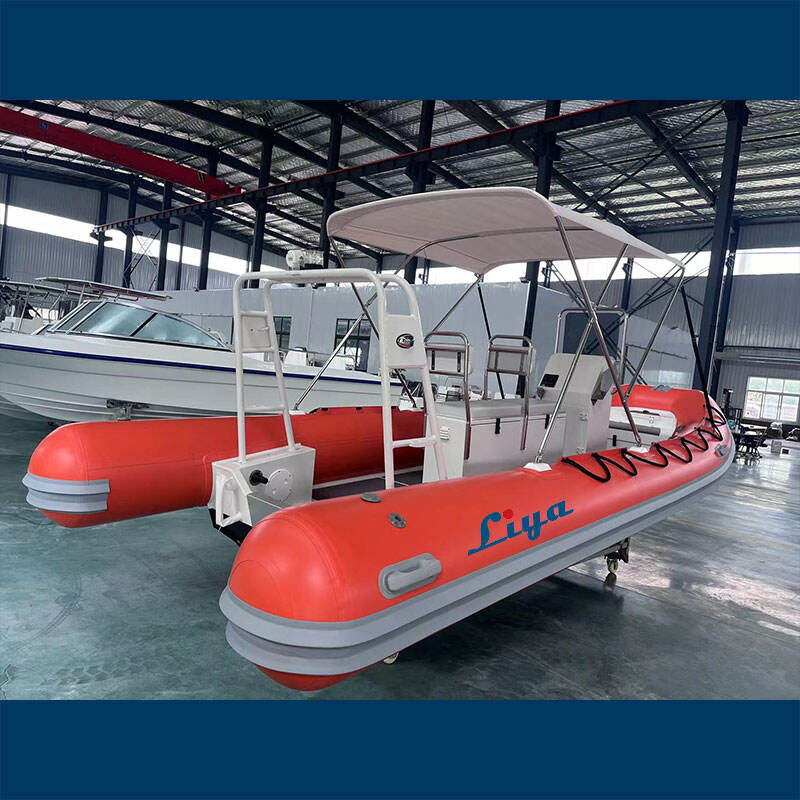
The inflatable tube system serves as the defining characteristic of any RIB configuration, requiring careful evaluation of materials, construction methods, and valve systems. High-quality tubes utilize reinforced PVC or Hypalon materials that resist punctures, UV degradation, and chemical exposure from marine environments. The fabric weight and reinforcement patterns directly impact longevity and resistance to abrasion from docking operations and general usage.
Valve systems must provide reliable inflation and deflation capabilities while maintaining pressure under varying temperature conditions and operational stresses. Multiple valve configurations allow for compartmentalized inflation, ensuring vessel safety even if one tube section experiences damage. Professional-grade tubes incorporate multiple air chambers that provide redundant buoyancy and maintain operational capability during emergency situations or equipment failures.
Engine Compatibility and Power Requirements
Outboard Engine Mounting and Weight Distribution
Engine selection significantly impacts vessel performance, fuel efficiency, and operational capabilities, requiring careful consideration of mounting systems and weight distribution characteristics. The transom design must accommodate various outboard engine configurations while maintaining proper balance and stability during operation. Reinforced mounting points ensure secure engine attachment and prevent structural damage from engine vibration and operational stresses.
Weight distribution affects handling characteristics, fuel consumption, and overall vessel performance across different sea conditions. Proper engine positioning optimizes center of gravity placement, enhancing stability and reducing bow rise during acceleration phases. Professional operators evaluate engine weight specifications against vessel capacity ratings to ensure compliance with safety regulations and performance expectations.
Power-to-Weight Ratios and Performance Optimization
Calculating appropriate power-to-weight ratios ensures optimal performance without exceeding design limitations or compromising safety margins. Modern RIB Boat designs accommodate various engine configurations, allowing operators to customize power levels based on specific operational requirements. Higher horsepower engines provide superior acceleration and top speed capabilities but increase fuel consumption and initial investment costs.
Engine efficiency ratings directly impact operational costs and environmental compliance requirements in regulated waters. Four-stroke engines typically offer improved fuel economy and reduced emissions compared to two-stroke alternatives, making them preferred choices for commercial applications. Electronic fuel injection systems enhance performance consistency while reducing maintenance requirements and improving cold-weather starting reliability.
Safety Features and Equipment Integration
Buoyancy and Stability Characteristics
Inherent buoyancy provided by inflatable tube systems creates exceptional stability and safety margins that distinguish these vessels from conventional hull designs. The distributed buoyancy prevents catastrophic sinking even when the hull sustains significant damage, providing crucial safety advantages during emergency situations. Multiple air chambers ensure redundant flotation capabilities that maintain vessel integrity and passenger safety under adverse conditions.
Stability calculations must account for passenger loading, equipment weight, and fuel capacity to ensure safe operational limits are maintained across various usage scenarios. Low center of gravity characteristics enhance resistance to capsizing while providing comfortable ride quality in choppy water conditions. Professional operators appreciate the self-righting tendencies that improve safety margins during high-speed maneuvering and emergency situations.
Navigation and Communication Equipment Installation
Modern vessels require integrated navigation and communication systems that enhance operational safety and efficiency during marine operations. Console designs must accommodate GPS units, fish finders, VHF radios, and other electronic equipment while maintaining ergonomic operation and weather protection. Proper electrical systems with adequate charging capabilities ensure reliable equipment operation throughout extended missions or recreational outings.
Wiring harnesses and electrical connections require marine-grade components that resist corrosion and maintain reliability in harsh saltwater environments. Circuit protection systems prevent equipment damage from voltage spikes or short circuits while ensuring continued operation of critical safety equipment. Professional installations include emergency backup systems that maintain communication capabilities during primary system failures or power interruptions.
Seating and Storage Configuration Options
Passenger Capacity and Comfort Features
Seating arrangements significantly impact passenger comfort and operational flexibility, requiring evaluation of capacity ratings, cushioning quality, and storage integration. Professional-grade seating systems provide secure mounting points that withstand high-impact conditions while maintaining passenger safety during aggressive maneuvering. Removable cushions allow for easy cleaning and maintenance while providing comfortable seating surfaces during extended voyages.
Passenger capacity ratings must comply with regulatory requirements while providing adequate space for equipment storage and operational activities. Bench seating configurations maximize passenger capacity while maintaining stability characteristics and weight distribution. Individual seat designs offer enhanced comfort and safety restraint options but may reduce overall passenger capacity in smaller vessel configurations.
Storage Solutions and Equipment Organization
Effective storage solutions maximize operational efficiency while maintaining organized equipment access during marine operations. Integrated storage compartments protect sensitive equipment from weather exposure while providing secure mounting points that prevent damage during rough water conditions. Drainage systems ensure water removal from storage areas, protecting equipment and reducing corrosion potential.
Modular storage systems allow customization based on specific operational requirements, accommodating fishing equipment, diving gear, or commercial tools as needed. Locking mechanisms provide security for valuable equipment while maintaining easy access during operational periods. Professional operators appreciate storage solutions that maximize space utilization without compromising passenger comfort or vessel stability characteristics.
Maintenance Requirements and Long-Term Ownership Costs
Routine Maintenance Procedures and Schedules
Establishing comprehensive maintenance schedules ensures optimal vessel performance while preventing costly repairs and extending operational life expectancy. Engine maintenance follows manufacturer specifications for oil changes, filter replacements, and cooling system servicing to maintain warranty coverage and performance standards. Tube inspection procedures identify potential issues before they become safety hazards or require expensive replacement components.
Hull maintenance involves regular cleaning, inspection for damage, and protective coating applications that prevent corrosion and maintain appearance standards. Professional operators maintain detailed maintenance logs that track service intervals, parts replacements, and performance metrics for warranty purposes and resale value optimization. Preventive maintenance programs reduce unexpected failures while ensuring regulatory compliance and insurance requirements are maintained.
Parts Availability and Service Network Access
Reliable parts availability and service network access significantly impact long-term ownership costs and operational reliability for professional and recreational operators. Established manufacturers maintain comprehensive parts inventories and authorized service networks that provide prompt repair services and genuine replacement components. Local service availability reduces transportation costs and minimizes downtime during critical operational periods.
Warranty coverage and service support quality vary significantly between manufacturers, requiring careful evaluation during the selection process. Extended warranty programs provide additional protection against unexpected repairs while ensuring access to qualified service technicians. Professional operators prioritize manufacturers with proven track records for parts availability and technical support responsiveness to minimize operational disruptions and maintenance costs.
FAQ
What is the typical lifespan of inflatable tubes on a RIB boat
High-quality inflatable tubes constructed from reinforced PVC or Hypalon materials typically provide 10-15 years of reliable service under normal operational conditions. Proper maintenance, UV protection, and careful handling extend tube life significantly, while exposure to sharp objects, excessive heat, or chemical contamination can reduce longevity. Professional operators often achieve extended tube life through regular inspection schedules and preventive maintenance programs that address minor issues before they become major problems.
How do I determine the appropriate engine size for my RIB boat
Engine sizing depends on vessel weight, intended usage, and performance requirements, with manufacturer recommendations providing baseline guidelines for optimal power ranges. Professional applications often require higher horsepower ratings to accommodate heavy equipment loads and achieve necessary speeds, while recreational users may prioritize fuel efficiency over maximum performance. Consulting with experienced dealers and reviewing manufacturer specifications ensures proper engine selection that meets operational needs without exceeding safety limitations.
What safety equipment is required for RIB boat operation
Safety equipment requirements vary by location, vessel size, and operational distance from shore, with regulatory agencies specifying minimum equipment standards for different usage categories. Essential safety equipment typically includes life jackets, distress signals, fire extinguishers, and navigation lights, while offshore operations may require additional items such as EPIRBs, life rafts, and emergency food supplies. Local coast guard agencies provide specific requirements and inspection guidelines to ensure compliance with applicable safety regulations.
How does aluminum hull construction compare to fiberglass alternatives
Aluminum hull construction offers superior impact resistance, lighter weight, and enhanced corrosion resistance compared to fiberglass alternatives, making it particularly suitable for commercial applications and rough water conditions. Fiberglass hulls provide smoother surfaces and potentially lower manufacturing costs but may require more frequent maintenance and show greater susceptibility to impact damage. Professional operators often prefer aluminum construction for its durability and long-term value retention, while recreational users may consider fiberglass options for specific aesthetic or cost considerations.