 EN
EN
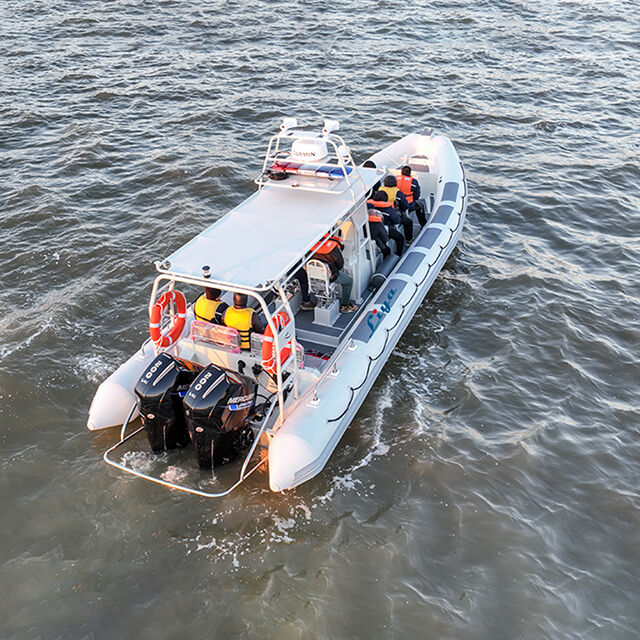
The world of high-speed offshore adventures demands vessels that can handle challenging conditions while delivering exceptional performance and safety. When professional operators and adventure enthusiasts need reliable watercraft for demanding marine environments, they consistently turn to specialized rigid inflatable boats. These sophisticated vessels combine the stability of rigid hulls with the shock-absorbing properties of inflatable sponsons, creating the perfect platform for high-speed operations in open waters.
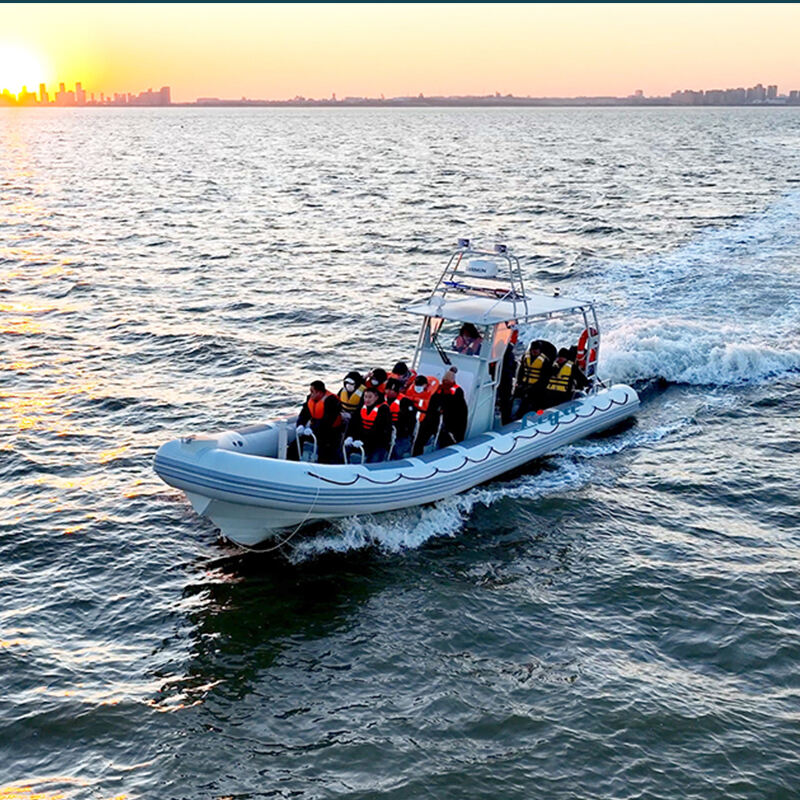
Maritime professionals across various industries have discovered that these advanced watercraft offer unmatched versatility for offshore operations. From military and coast guard missions to commercial marine services and recreational adventures, the unique design characteristics make them indispensable for high-speed offshore work. Understanding what makes these vessels so effective requires examining their construction, performance capabilities, and operational advantages in demanding marine environments.
The evolution of rigid inflatable boat technology has transformed how operators approach offshore missions requiring speed, stability, and safety. Modern designs incorporate advanced materials, sophisticated hull geometries, and powerful propulsion systems that enable sustained high-speed operation in challenging sea conditions. This comprehensive analysis explores the key factors that make these vessels the preferred choice for professional offshore applications.
Advanced Hull Design and Construction Features
Rigid Hull Foundation Technology
The foundation of any high-performance rigid inflatable boat lies in its sophisticated hull design and construction methodology. Modern vessels utilize advanced composite materials including fiberglass, carbon fiber, and aluminum alloys to create lightweight yet incredibly strong hull structures. These materials provide the necessary strength-to-weight ratio that enables impressive speed capabilities while maintaining structural integrity under extreme loading conditions.
Professional-grade hull designs incorporate deep-V configurations with optimized deadrise angles that slice through waves efficiently while minimizing impact forces on crew and equipment. The hull geometry includes carefully calculated chine lines and spray rails that redirect water flow to reduce drag and improve lift characteristics at high speeds. Advanced manufacturing techniques ensure consistent hull thickness and precise weight distribution for optimal performance characteristics.
The integration of reinforcement structures throughout the hull creates exceptional durability for offshore operations. Strategic placement of bulkheads, frames, and stiffeners distributes loads evenly while maintaining flexibility needed for wave impact absorption. This construction approach enables vessels to withstand the repeated stress cycles encountered during high-speed offshore operations without compromising structural integrity or safety margins.
Inflatable Sponson Engineering
The inflatable sponson system represents perhaps the most critical engineering element distinguishing these vessels from conventional boats. High-grade Hypalon or PVC materials formed into multiple independent air chambers provide redundant buoyancy and exceptional shock absorption capabilities. The sponson design creates a wide, stable platform that enhances seakeeping abilities while providing inherent safety through unsinkable characteristics.
Advanced sponson geometry incorporates sophisticated tube profiles that optimize hydrodynamic efficiency while maximizing deck space and payload capacity. The interface between rigid hull and inflatable sponsons utilizes precision-engineered bonding systems that create permanent, watertight connections capable of withstanding extreme operational stresses. Multiple pressure relief valves and monitoring systems ensure optimal inflation levels under varying temperature and loading conditions.
The modular nature of sponson construction enables field repairs and component replacement when necessary, ensuring operational readiness in remote locations. Quality sponson systems maintain their structural properties and pressure retention capabilities through thousands of pressure cycles, providing reliable service life for professional applications. This durability factor makes these vessels particularly suitable for intensive offshore operations where equipment reliability directly impacts mission success.
High-Speed Performance and Propulsion Systems
Engine Configuration and Power Delivery
Achieving sustained high-speed performance in offshore conditions requires sophisticated propulsion system integration specifically designed for RIB Boat applications. Modern vessels typically utilize multiple outboard engines or powerful inboard/outboard configurations that deliver exceptional power-to-weight ratios. These propulsion systems provide the thrust necessary to maintain planning speeds even in moderate sea conditions while offering redundancy for safety-critical operations.
Advanced engine management systems optimize fuel delivery, ignition timing, and cooling system operation to maintain peak performance throughout extended high-speed runs. Electronic throttle controls and trim systems enable precise power modulation and attitude adjustment for varying sea conditions and loading scenarios. Integration of GPS-based speed monitoring and engine diagnostics provides operators with real-time performance data essential for safe offshore operations.
The propulsion system design considerations extend beyond raw power output to include factors such as fuel efficiency, maintenance accessibility, and operational reliability. Modern installations incorporate corrosion-resistant materials and protective systems specifically engineered for marine environments. Sophisticated cooling and exhaust systems prevent overheating during sustained high-speed operation while minimizing noise signatures for tactical applications.
Hydrodynamic Efficiency and Speed Characteristics
The unique combination of rigid hull and inflatable sponsons creates distinctive hydrodynamic characteristics that enhance high-speed performance in offshore conditions. The deep-V hull configuration enables efficient planning at relatively low speeds while maintaining directional stability at maximum velocity. Strategic weight distribution and center of gravity optimization ensure proper trim angles for sustained high-speed operation without excessive bow lift or instability.
Advanced hull designs incorporate sophisticated step configurations and ventilation systems that reduce wetted surface area at planning speeds, significantly improving fuel efficiency and top speed capabilities. The inflatable sponsons provide additional lift and stability while creating beneficial air cushion effects that smooth the ride in choppy conditions. This combination enables sustained speeds often exceeding 40 knots while maintaining acceptable comfort levels for crew and passengers.
The acceleration characteristics of properly designed vessels enable rapid transition from displacement to planning modes, critical for tactical applications and emergency response scenarios. Optimized propeller selection and installation angles maximize thrust efficiency while minimizing cavitation and ventilation issues that can limit performance in demanding conditions. These design elements work synergistically to create vessels capable of impressive speed performance across varying sea states and operational requirements.
Safety Features and Offshore Seaworthiness
Stability and Buoyancy Characteristics
The inherent stability characteristics of rigid inflatable boats make them exceptionally well-suited for high-speed offshore operations where safety margins cannot be compromised. The wide beam created by inflatable sponsons provides exceptional initial stability that resists capsizing even under extreme loading conditions or sudden maneuvering requirements. Multiple independent air chambers ensure that even significant sponson damage cannot compromise the vessel's buoyancy or basic stability characteristics.
Advanced stability calculations and testing protocols verify that these vessels maintain positive stability throughout their operational envelope, including worst-case scenarios involving partial flooding, extreme weather conditions, or maximum payload configurations. The low center of gravity achieved through proper weight distribution and ballast systems enhances stability margins while maintaining responsive handling characteristics essential for high-speed maneuvering.
The unsinkable nature of properly constructed vessels provides crucial safety margins for offshore operations where rescue resources may be limited or delayed. Even with complete hull flooding, the inflatable sponsons provide sufficient reserve buoyancy to keep the vessel afloat and support crew weight. This fundamental safety characteristic makes these boats particularly suitable for extended offshore operations and emergency response missions.
Weather Resistance and Sea Handling
The ability to maintain operational capability in adverse weather conditions sets professional-grade rigid inflatable boats apart from conventional vessels of similar size. The deep-V hull configuration and flexible sponson system work together to absorb wave impacts that would severely stress traditional hull designs. This shock absorption capability enables continued high-speed operation in sea conditions that would force other vessels to reduce speed or seek shelter.
Advanced design features including self-bailing deck systems, sealed storage compartments, and robust navigation equipment ensure operational effectiveness even in challenging offshore conditions. The vessel's ability to shed water quickly and maintain equipment functionality in spray-intensive environments makes them ideal for professional marine applications requiring consistent performance regardless of weather conditions.
The predictable handling characteristics in varying sea states enable operators to maintain precise control during high-speed maneuvering, critical for search and rescue operations, law enforcement activities, and military missions. The combination of responsive steering, stable platform characteristics, and predictable motion patterns allows skilled operators to maintain operational effectiveness even in demanding offshore environments.
Professional Applications and Operational Advantages
Military and Law Enforcement Applications
Military and law enforcement agencies worldwide have adopted rigid inflatable boats as primary platforms for high-speed offshore operations requiring tactical advantages and operational flexibility. These vessels provide the speed necessary for rapid response scenarios while offering the stealth characteristics needed for covert operations. The ability to operate in shallow waters and navigate close to shore makes them invaluable for coastal patrol and interdiction missions.
The tactical advantages include rapid deployment capabilities, minimal infrared and radar signatures, and the ability to transport personnel and equipment efficiently in challenging conditions. Modern military specifications include specialized equipment mounting systems, ballistic protection options, and advanced communication systems integrated into the vessel design. These enhancements enable effective mission execution while maintaining the fundamental speed and seaworthiness advantages.
Operational reliability becomes critical in military and law enforcement applications where equipment failure can compromise mission success or personnel safety. The robust construction and redundant safety systems provide confidence for operators conducting high-risk missions in demanding offshore environments. Regular maintenance protocols and component replacement schedules ensure sustained operational readiness for extended periods.
Commercial and Rescue Operations
Commercial marine operators utilize rigid inflatable boats for a wide range of offshore applications including pilot transfers, offshore wind farm maintenance, and emergency response operations. The vessel's ability to maintain schedule reliability regardless of moderate weather conditions makes them essential for time-critical commercial operations. Speed capabilities enable efficient transportation between offshore facilities and shore bases while minimizing crew exposure time in potentially hazardous conditions.
Search and rescue organizations rely on the exceptional seaworthiness and speed characteristics for emergency response missions where rapid arrival times directly impact survival rates. The vessel's ability to operate safely in conditions that ground other rescue assets makes them invaluable for all-weather rescue capabilities. Specialized rescue equipment integration and crew safety systems enable effective rescue operations while maintaining acceptable safety margins for rescue personnel.
The operational economics of high-speed rigid inflatable boats often favor their selection for commercial applications requiring frequent offshore transportation. Lower fuel consumption compared to larger vessels, reduced crew requirements, and minimal port infrastructure needs create favorable operating cost profiles. These economic advantages become particularly important for operations requiring sustained high utilization rates over extended periods.
Maintenance and Operational Considerations
Preventive Maintenance Protocols
Maintaining peak performance and safety standards for high-speed offshore operations requires comprehensive preventive maintenance programs specifically designed for rigid inflatable boat systems. Regular inspection protocols encompass hull integrity assessment, sponson pressure monitoring, and propulsion system maintenance schedules that prevent operational failures during critical missions. These maintenance programs must account for the unique stresses encountered during sustained high-speed operation and saltwater exposure.
Engine maintenance schedules typically require more frequent service intervals for vessels operating at sustained high speeds compared to conventional marine applications. Advanced engine monitoring systems provide early warning of developing problems before they result in operational failures. Proper maintenance of cooling systems, fuel systems, and ignition components ensures reliable performance during extended offshore operations where mechanical failure could create dangerous situations.
The inflatable sponson system requires specialized maintenance procedures including pressure monitoring, material inspection, and valve system maintenance. Regular cleaning and UV protection treatments extend sponson life while maintaining optimal performance characteristics. Emergency repair procedures and spare parts inventory enable field repairs when necessary, ensuring operational continuity for critical missions.
Operational Best Practices
Safe and effective operation of high-speed rigid inflatable boats requires specialized training and adherence to established operational procedures. Operator training programs must address high-speed boat handling techniques, weather assessment skills, and emergency procedures specific to offshore operations. Understanding vessel limitations and performance characteristics enables operators to make informed decisions about safe operating parameters in varying conditions.
Pre-operation inspection procedures verify vessel readiness and identify potential safety issues before departure. These inspections include sponson pressure checks, engine system verification, safety equipment inventory, and communication system testing. Proper voyage planning incorporates weather forecasts, sea condition assessments, and contingency planning for emergency situations that may arise during offshore operations.
Load distribution and weight management significantly impact vessel performance and safety characteristics. Proper cargo securing techniques and weight distribution protocols ensure optimal trim and stability throughout the operational mission. Understanding how payload configuration affects performance enables operators to maintain safe operating margins while maximizing mission effectiveness.
FAQ
What speed capabilities can operators expect from modern rigid inflatable boats?
Modern rigid inflatable boats designed for offshore operations typically achieve speeds between 35-50 knots depending on hull design, engine configuration, and loading conditions. Professional-grade vessels with optimized propulsion systems can exceed these speeds while maintaining safe handling characteristics. The actual operational speed depends on sea conditions, vessel configuration, and mission requirements, with most operators maintaining cruise speeds 10-15% below maximum capability for safety and fuel efficiency.
How do weather conditions affect offshore operational capabilities?
Rigid inflatable boats maintain operational effectiveness in significantly rougher conditions compared to conventional vessels of similar size. Most professional operators can safely maintain reduced speeds in sea conditions up to 6-8 foot waves, though this varies based on vessel size and design characteristics. The flexible sponson system and deep-V hull design enable continued operation when other vessels must seek shelter, making them particularly valuable for emergency response and commercial applications requiring weather-independent operations.
What training requirements exist for operators of high-speed offshore vessels?
Professional operation of high-speed rigid inflatable boats typically requires specialized certification beyond basic boat operator licenses. Training programs include high-speed boat handling techniques, emergency procedures, weather assessment skills, and vessel-specific systems operation. Many commercial and military operators require annual recertification and ongoing training to maintain operational proficiency. The training emphasizes safety procedures, maintenance requirements, and decision-making skills essential for safe offshore operations.
What are the primary maintenance considerations for sustained offshore operations?
Maintaining vessels for sustained offshore operations requires comprehensive programs addressing engine systems, hull integrity, and sponson condition monitoring. Regular engine maintenance includes more frequent service intervals due to high-speed operation and saltwater exposure. Sponson systems require pressure monitoring, material inspection, and UV protection treatments. Proper maintenance scheduling prevents operational failures while extending vessel service life, with most professional operators following manufacturer-recommended intervals plus additional inspections based on utilization rates and operating conditions.
Table of Contents
- Advanced Hull Design and Construction Features
- High-Speed Performance and Propulsion Systems
- Safety Features and Offshore Seaworthiness
- Professional Applications and Operational Advantages
- Maintenance and Operational Considerations
-
FAQ
- What speed capabilities can operators expect from modern rigid inflatable boats?
- How do weather conditions affect offshore operational capabilities?
- What training requirements exist for operators of high-speed offshore vessels?
- What are the primary maintenance considerations for sustained offshore operations?