 EN
EN
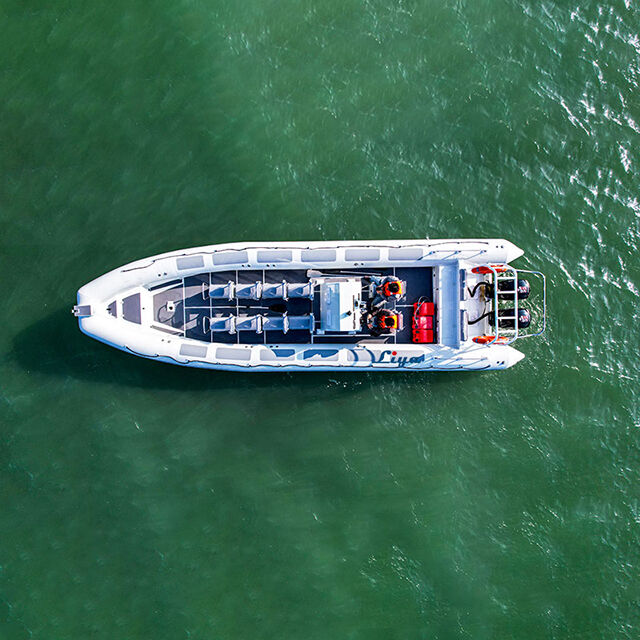
When it comes to marine vessels that deliver exceptional performance across diverse water conditions, the RIB boat stands out as an engineering marvel that combines the best features of rigid hull construction with inflatable tube technology. This innovative design has revolutionized maritime operations, offering superior stability characteristics that surpass traditional boat configurations in numerous scenarios. Understanding the fundamental principles behind RIB boat stability can help boat enthusiasts, commercial operators, and marine professionals make informed decisions about their vessel requirements.
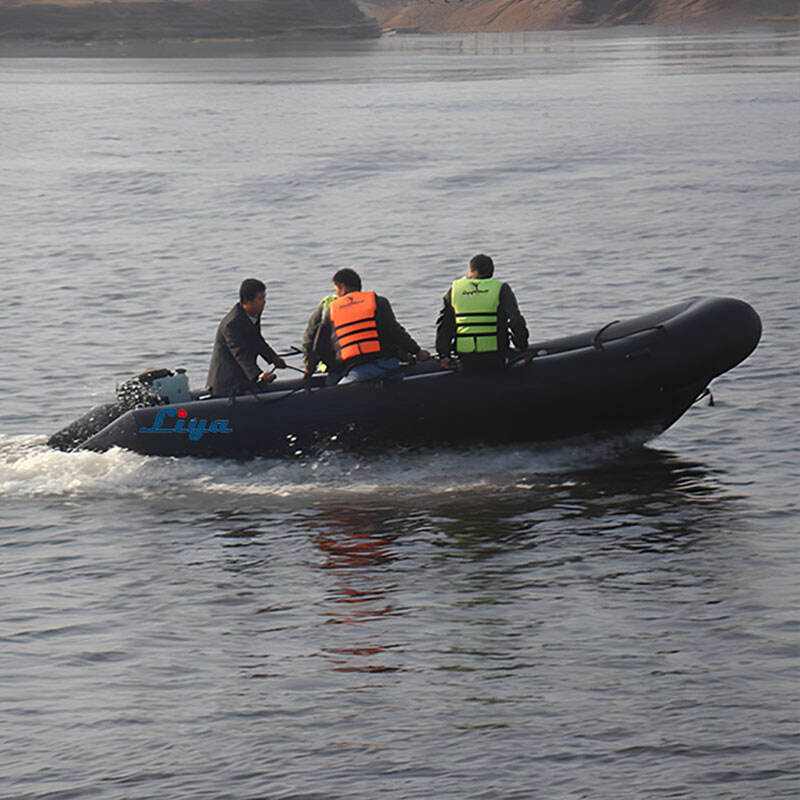
The stability advantages of modern RIB boats stem from their unique hybrid construction methodology that integrates a solid fiberglass or aluminum hull with inflatable collar tubes around the perimeter. This combination creates a vessel with exceptional buoyancy distribution and increased beam width, resulting in enhanced lateral stability compared to conventional monohull designs. The inflatable tubes act as natural stabilizers, providing additional displacement volume and resistance to rolling motion that traditional boats simply cannot match.
Understanding RIB Boat Design Fundamentals
Hybrid Hull Construction Technology
The foundation of RIB boat stability lies in its innovative hull construction that merges rigid and flexible elements into a cohesive design. The central rigid hull provides structural integrity, directional control, and the ability to mount engines and equipment securely. Meanwhile, the surrounding inflatable tubes contribute significant buoyancy and act as shock absorbers against wave impact. This dual-nature construction distributes weight and buoyancy forces more effectively than traditional single-hull designs.
Manufacturing processes for modern RIB boats employ advanced materials including high-grade Hypalon, PVC fabrics, and reinforced seam construction techniques. These materials ensure durability while maintaining the flexibility necessary for optimal stability performance. The rigid hull portion typically utilizes marine-grade aluminum or fiberglass composites, providing strength without excessive weight that could compromise stability characteristics.
Inflatable Tube Technology and Buoyancy
The inflatable collar system represents a sophisticated approach to marine stability engineering. These tubes are pressurized to specific levels that optimize both safety and performance, creating a stable platform that responds predictably to wave action. The air-filled chambers provide reserve buoyancy that cannot be achieved through solid construction alone, ensuring the vessel remains stable even when loaded beyond typical capacity limits.
Advanced tube designs incorporate multiple air chambers with independent inflation systems, enhancing safety while contributing to overall stability. This compartmentalization ensures that partial deflation of one chamber does not significantly compromise vessel stability. The tube diameter and positioning are carefully calculated to maximize the righting moment, which is the force that returns the boat to an upright position after being tilted by waves or weight shifts.
Comparative Stability Analysis Against Traditional Vessels
Monohull Vessel Limitations
Traditional monohull boats rely primarily on their hull shape and ballast systems to maintain stability, which can create limitations in rough water conditions. These vessels typically have narrower beam widths relative to their length, reducing their initial stability compared to RIB boat designs. The lack of external buoyancy aids means that monohulls must depend entirely on hull displacement and weight distribution for stability, which can be compromised when waves exceed certain heights or frequencies.
Ballast requirements in traditional boats often necessitate additional weight low in the hull, which while improving ultimate stability, can reduce responsiveness and increase fuel consumption. This additional weight also affects the vessel's ability to operate effectively in shallow waters, limiting operational flexibility. The rigid nature of monohull construction provides less shock absorption during wave encounters, potentially creating uncomfortable conditions and reduced stability in choppy waters.
Catamaran and Multihull Comparisons
While catamarans offer improved initial stability through their wide beam configuration, they present different challenges compared to RIB boat designs. Catamarans can experience sudden stability loss when one hull becomes airborne in severe conditions, creating dangerous situations that RIB boats naturally avoid through their flexible tube design. The rigid connection between catamaran hulls can also create structural stress points that may compromise long-term durability.
Multihull vessels typically require more complex construction techniques and materials, resulting in higher costs and maintenance requirements. The inability to beach or trailer easily also limits operational versatility compared to RIB boats. Additionally, the performance characteristics of catamarans can be significantly affected by loading conditions, whereas RIB boat stability remains more consistent across various load scenarios due to the adaptive nature of the inflatable collar system.
Stability Performance in Various Water Conditions
Rough Water and Wave Impact Management
RIB boat performance in challenging sea states demonstrates superior stability characteristics that stem from the vessel's ability to absorb and deflect wave energy rather than fighting against it. The inflatable tubes act as natural shock absorbers, cushioning wave impacts and reducing the violent motions that can compromise stability in traditional rigid hulls. This energy absorption capability allows RIB boats to maintain better control and comfort levels in conditions that would challenge conventional vessels.
The flexible nature of the tube system enables RIB boats to conform partially to wave shapes, reducing the likelihood of becoming airborne or experiencing severe impacts that could destabilize the vessel. This adaptive response to sea conditions is particularly valuable in rescue operations, military applications, and commercial activities where maintaining stability is critical for safety and operational effectiveness. The predictable motion characteristics help operators maintain better control and reduce fatigue during extended operations.
Shallow Water and Beach Landing Capabilities
Operating in shallow waters presents unique stability challenges that RIB boats address through their design advantages. The inflatable collar provides protection against grounding damage while maintaining buoyancy in areas where traditional keels might contact the bottom. This capability allows RIB boats to operate confidently in waters too shallow for conventional vessels of similar size, expanding operational areas and mission capabilities.
Beach landing operations showcase the stability advantages of RIB boat design through their ability to maintain control during approach and departure from shore. The flexible tubes provide cushioning against sand, rocks, and debris while maintaining sufficient buoyancy to prevent becoming stuck. The wide beam created by the inflatable collar distributes weight effectively, reducing ground pressure and enabling operations on softer surfaces that would trap traditional boats.
Load Distribution and Weight Management Benefits
Passenger and Equipment Stability
The stability characteristics of RIB boats provide significant advantages when carrying passengers and equipment, as the wide beam and buoyant collar system create a stable platform that accommodates weight shifts more effectively than narrow traditional hulls. The distributed buoyancy prevents excessive trim changes when passengers move around the vessel, maintaining better overall stability and comfort. This characteristic is particularly valuable in commercial applications where passenger safety and comfort are paramount concerns.
Equipment mounting and storage benefit from the inherent stability of RIB boat designs, allowing for more flexible placement options without significantly affecting vessel balance. The stable platform enables the installation of heavy equipment such as radar systems, fishing gear, or rescue equipment without requiring extensive counterbalancing measures. This flexibility in configuration allows operators to customize their vessels for specific missions while maintaining optimal stability characteristics.
Dynamic Loading Scenarios
RIB boat stability advantages become particularly apparent during dynamic loading scenarios such as rescue operations, where personnel and equipment must be rapidly embarked or disembarked. The stable platform created by the inflatable collar system maintains better control during these critical operations, reducing the risk of accidents and improving operational efficiency. The ability to maintain stability while alongside other vessels or structures is crucial for professional marine operations.
Fuel and supply loading operations benefit from RIB boat stability through reduced motion during transfer activities. The predictable behavior of the vessel under varying load conditions allows for more precise planning and safer execution of loading procedures. The inherent stability reduces the need for complex ballast adjustments or weight distribution calculations that traditional vessels might require to maintain optimal performance characteristics.
Safety and Rescue Operation Advantages
Emergency Response Capabilities
The superior stability characteristics of RIB boats make them ideal platforms for emergency response and rescue operations where maintaining vessel control is critical for crew and victim safety. The stable working platform enables rescue personnel to operate effectively even in challenging conditions, providing confidence in the vessel's ability to maintain position and stability during critical operations. The predictable motion characteristics reduce the physical demands on crew members, allowing them to focus on rescue activities rather than vessel handling.
Self-righting capabilities inherent in RIB boat design provide additional safety margins that traditional vessels cannot match. The combination of inflatable collar buoyancy and proper weight distribution creates natural stability that resists capsizing and promotes rapid recovery from extreme attitudes. This characteristic is particularly valuable in military and coast guard applications where vessel reliability in extreme conditions is essential for mission success and crew safety.
Man Overboard Recovery Systems
RIB boat stability advantages extend to man overboard recovery operations through the vessel's ability to maintain position and stability while personnel are brought aboard. The wide, stable platform created by the inflatable collar system provides secure footing for crew members assisting in recovery operations. The ability to approach closely to persons in the water without risk of injury from hard hull surfaces is a significant safety advantage over traditional vessel designs.
Recovery ramp systems and specialized equipment can be more effectively integrated into RIB boat designs due to their inherent stability characteristics. The vessel's ability to maintain level attitudes during recovery operations improves the safety and efficiency of rescue procedures. The stable platform reduces the risk of secondary accidents during emergency operations, contributing to overall mission success and personnel safety.
Commercial and Professional Applications
Maritime Industry Utilization
Commercial maritime operations increasingly rely on RIB boat stability advantages for applications ranging from offshore support to passenger transport services. The ability to maintain stable operations in moderate sea conditions allows commercial operators to extend their operational windows and improve service reliability. Port pilot services particularly benefit from RIB boat stability during ship boarding operations, where maintaining precise control alongside large vessels is essential for safety.
Offshore wind farm maintenance and oil platform support operations utilize RIB boat stability characteristics to enable safe personnel and equipment transfers in challenging marine environments. The predictable motion characteristics and stable working platform allow technicians to perform critical maintenance tasks with confidence in their vessel's behavior. The ability to operate effectively in conditions that would limit traditional vessel operations provides significant operational and economic advantages.
Law Enforcement and Military Applications
Military and law enforcement agencies worldwide have adopted RIB boat technology specifically for its stability advantages in tactical operations. The stable gun platform created by proper RIB boat design enables accurate weapons deployment while maintaining vessel control and crew safety. The ability to operate effectively in littoral zones and challenging conditions provides tactical advantages that traditional patrol boats cannot match.
Boarding operations and interdiction missions benefit significantly from RIB boat stability characteristics, allowing crew members to transition safely between vessels while maintaining operational control. The stable platform enables the use of specialized equipment and provides confidence for personnel operating in high-stress situations. The versatility and reliability of RIB boat designs have made them standard equipment for maritime security and enforcement operations globally.
FAQ
What makes RIB boats more stable than traditional fiberglass boats?
RIB boats achieve superior stability through their hybrid design that combines a rigid hull with inflatable collar tubes, creating a wider beam and distributed buoyancy that traditional fiberglass boats cannot match. The inflatable tubes act as stabilizers and shock absorbers, reducing roll motion and providing additional reserve buoyancy that maintains stability even under challenging conditions or heavy loading scenarios.
Can RIB boats operate safely in rough water conditions?
Yes, RIB boats are specifically designed to excel in rough water conditions due to their ability to absorb wave impacts through the flexible tube system while maintaining directional control through the rigid hull. The combination of shock absorption and inherent stability allows RIB boats to operate safely in sea conditions that would challenge traditional vessels of similar size, making them ideal for professional rescue and military operations.
How does the inflatable collar system contribute to overall vessel stability?
The inflatable collar system provides multiple stability benefits including increased beam width, additional buoyancy distribution, and shock absorption capabilities that work together to create a more stable platform. The pressurized tubes maintain their shape under load while providing cushioning against wave impacts, and the compartmentalized design ensures that partial deflation does not significantly compromise stability performance.
Are RIB boats suitable for commercial passenger operations?
RIB boats are excellent choices for commercial passenger operations due to their superior stability characteristics that provide passenger comfort and safety in various sea conditions. The stable platform reduces seasickness and anxiety while enabling operators to maintain schedules in moderate weather that might cancel traditional boat services. Many commercial operators worldwide use RIB boats for tourist excursions, water taxi services, and offshore transport specifically because of their stability and safety advantages.