 EN
EN
Key Features to Look for in a Fishing RHIB
Storage Capacity for Fishing Gear
When selecting a fishing RHIB, one of the primary considerations is storage capacity. I always evaluate the space available both within the cabin and on the deck, ensuring there is ample room for storing essential fishing gear such as rods, tackle boxes, and coolers. It's crucial to consider models with removable or built-in storage compartments that can easily be accessed during fishing trips. This not only enhances convenience but also ensures that all necessary equipment is within reach. Secure storage solutions, whether they're compartments or latches, are essential to prevent equipment loss or damage when the boat is in motion, offering peace of mind as you traverse choppy waters.
Deck Layout and Stability
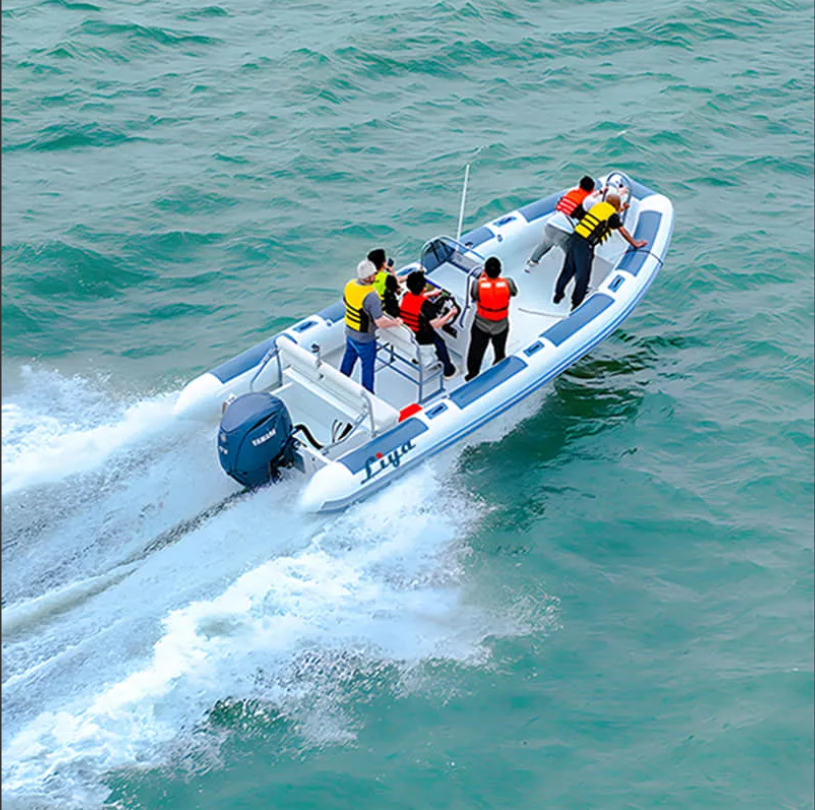
The deck layout and stability are pivotal in determining the functionality and safety of a fishing RHIB. I meticulously analyze different deck layouts to find a configuration that offers optimal space for fishing activities, including casting and landing fish. A wider beam is generally preferable as it enhances stability, especially in choppy waters, providing a stable platform that inspires confidence. Moreover, a well-planned deck layout significantly enhances safety by incorporating non-slip surfaces and clear pathways for movement, reducing the risk of accidents. These features are crucial, especially during intense fishing sessions where moving quickly yet safely is paramount.
Weight Capacity for Crew and Equipment
Understanding the weight capacity of the RHIB is another crucial factor. It's essential to know the maximum weight capacity and how it influences performance and safety while out fishing. I always make it a point to include the weight of crew members, the fish catch, and all fishing gear when calculating the total load. Knowing and respecting weight limits is paramount to avoid capsizing or compromising vessel stability. Overloading a boat can lead to dire consequences, thus being aware of and adhering to the weight restrictions ensures safe and enjoyable fishing trips. This factor not only ensures safety but also helps in maintaining the RHIB’s maneuverability and efficiency.
Evaluating Safety and Stability
Hull Design for Rough Waters
Understanding the hull design is crucial when selecting a RHIB for fishing in rough waters. Different hull shapes, like semi-V and deep-V, perform distinctly in varied conditions. For instance, a deep-V hull is renowned for its superior stability in choppy waters, slicing through waves more effectively than a semi-V design. This design not only contributes to the boat's handling and performance but also enhances safety by minimizing impact from waves. High freeboard is another feature to consider; it acts as a barrier against water intrusion, keeping the vessel and crew dry even in turbulent environments. It's essential to choose a hull design that aligns with the water conditions you frequently encounter.
Inflatable Collar Safety Considerations
Inflatable collars are pivotal for buoyancy and safety on RHIBs, particularly in emergency situations. These collars provide additional support, helping the vessel to remain afloat even if the main hull structure is compromised. According to various case studies, boats with robust inflatable collars have successfully navigated challenging situations, minimizing risks of capsizing or sinking. The thickness and proper inflation of these collars play a significant role in maintaining vessel stability, especially in demanding sea conditions. Therefore, it's essential to ensure your RHIB has a reliable inflatable collar system to enhance safety during offshore fishing trips.
Self-Bailing Deck Systems
Self-bailing deck systems are a critical feature for keeping your RHIB free from water, especially during sudden rains or heavy splashes. These systems allow water to drain automatically from the deck, preventing accumulation that could lead to instability. Experts often emphasize the importance of self-bailing decks for crew safety, as water weight can compromise vessel balance and increase the risk of capsizing. The quick drainage these systems provide ensures that your RHIB maintains peak performance and safety, offering peace of mind while you focus on your fishing activities. Therefore, investing in a RHIB with an efficient self-bailing deck system is a practical choice for avid anglers.
Motorization and Speed Considerations
Outboard Engine Power Requirements
Choosing the right outboard engine power for your RHIB is crucial, especially when considering fishing applications. The recommended horsepower often depends on the RHIB's size and the type of fishing activities you intend to undertake. Smaller RHIBs designed for calm waters might perform adequately with a lower horsepower. In contrast, larger RHIBs for ocean fishing require higher horsepower for navigating strong currents. Additionally, the choice between electric and gasoline outboard engines hinges on the power requirements and desired performance outcomes. TROHATSU and EPROPULSION are popular brands offering various models suitable for different conditions. When making a selection, consulting manufacturer specifications and industry recommendations ensures optimal performance and safety.
Fuel Efficiency vs Speed Balance
Balancing fuel efficiency with speed is a significant consideration on fishing expeditions. Higher speeds generally result in increased fuel consumption, impacting cost and sustainability. Research indicates that anglers often find a sweet spot between speed and fuel efficiency, enhancing their trips while maintaining costs. An optimal engine choice can minimize fuel expenses, allowing longer excursions without frequent refueling stops. For instance, angler surveys reveal that models like the TOHATSU 9.8HP strike an excellent balance, providing adequate speed without sacrificing fuel economy. By carefully assessing these trade-offs, you can optimize fishing efficiency without unnecessary expenses.
Electric Motor Compatibility
The fishing community increasingly prefers electric motors for their quiet operation and eco-friendliness. Electric motors offer the advantage of lower emissions, aligning with modern sustainability practices. However, compatibility with existing RHIB models is vital for those considering a transition. Elements to evaluate include battery capacity, power duration, and mounting systems. Experts recommend electric motors for leisurely fishing activities in calm waters, where stealth and low noise levels are beneficial. Before an upgrade, ensure your RHIB model supports electric motor specifications, tailoring it to enhance your fishing experience while promoting an environmentally conscious approach.
Material Durability and Construction Quality
PVC vs Hypalon: Longevity Comparison
In the realm of RHIB construction, PVC and Hypalon are the two dominant materials, each offering distinct advantages. PVC is generally more cost-effective and easier to repair, making it an appealing choice for budget-conscious buyers. However, Hypalon stands out for its superior durability and UV resistance, crucial for prolonged exposure to harsh marine environments. Expert opinions consistently highlight Hypalon's resilience, especially under frequent fishing conditions where wear and tear are prevalent. A comparative study reveals that Hypalon can last up to 20 years when properly maintained, whereas PVC might require more frequent repairs. For those focused on durability and performance longevity, Hypalon typically emerges as the preferred material despite its higher initial cost.
Reinforced Keel Protection
Reinforced keels play a critical role in ensuring the longevity and structural integrity of a RHIB, especially during the demands of fishing activities. They provide essential protection against impacts when launching or retrieving, shielding the boat from potential damage. Research indicates that materials like Kevlar and aluminum are particularly effective in keel reinforcement, offering resilience and strength. Regular maintenance, such as checking for wear and reinforcing weak spots, can significantly extend the lifespan of the keel. By prioritizing these practices, anglers ensure that their RHIB remains robust and reliable, even during strenuous fishing trips.
UV-Resistant Fabric Features
Using UV-resistant fabric in RHIB construction is vital for protecting the vessel against the damaging effects of prolonged sunlight exposure. These materials prevent fabric degradation, which can otherwise lead to decreased aesthetic appeal and compromised integrity. Product specifications often showcase the longevity of UV-resistant fabrics, with some maintaining their appearance and function for years. By selecting quality fabrics, owners can preserve their RHIB's durability and visual appeal, ensuring that the vessel remains both effective and attractive over time. Investing in UV protection not only enhances the lifespan but also safeguards the RHIB's aesthetic and functional attributes.
Balancing Budget with Performance Needs
New vs Pre-Owned RHIB Cost Analysis
In the world of RHIB (Rigid Hull Inflatable Boats) ownership, deciding between a new and a pre-owned vessel involves a thorough cost-benefit analysis. New RHIBs often entail higher upfront costs but may offer better warranties and modern features that enhance performance and longevity. On the other hand, pre-owned RHIBs come with a lower initial investment but may require more frequent maintenance, particularly for older models. Depreciation rates can significantly impact the resale value of RHIBs, with new boats typically seeing the most drastic depreciation within the first five years. According to some marine finance experts, opting for a pre-owned boat might be ideal if you’re looking for immediate cost savings and are less concerned about up-to-date features. Ultimately, the decision hinges on balancing available budget with desired performance and long-term ownership goals.
Essential vs Premium Feature Priorities
When evaluating RHIBs for fishing, it is crucial to identify essential features that directly impact safety and performance before considering premium upgrades. Essential features might include safety gear like life jackets and emergency flares, GPS systems for navigation, and robust engines that ensure reliability on water. Additionally, aspects like durable hull construction and ample storage for fishing equipment are fundamental. Once these essentials are addressed, one can explore premium upgrades, like advanced fish finders, luxury seating, or custom storage solutions, which can enhance comfort and convenience but might capsize the budget. Prioritizing these features ensures that spending is optimized towards functionalities that genuinely impact the fishing experience.
Maintenance Cost Projections
Owning a RHIB comes with inevitable maintenance expenses that should be considered when budgeting. Regular expenditures include engine maintenance, hull treatments, and gear check-ups to ensure everything is in optimal working condition. Routine engine upkeep is particularly critical as it impacts both safety and efficiency during trips. Hull treatments, such as anti-fouling, protect the vessel from marine growth and extend its life. To manage these costs effectively, it's advisable to perform regular checks and preventive maintenance, which can help avoid costly repairs down the road. Industry data suggests that maintenance costs can vary significantly between brands, so researching specific models' long-term maintenance records can provide valuable insight.
FAQ Section:
What is a RHIB and why is it suitable for fishing?
A RHIB (Rigid Hull Inflatable Boat) is an inflatable boat with a hard hull that offers stability and resilience, making it ideal for fishing activities, especially in rough waters.
How can I determine the right outboard engine power for my fishing RHIB?
The outboard engine power suitable for your RHIB depends on factors such as boat size and intended fishing activities. Consulting the manufacturer's specifications and industry recommendations is advisable to make an informed choice.
What are the benefits of choosing Hypalon over PVC for my RHIB?
Hypalon offers superior durability and UV resistance compared to PVC, making it a better choice for those seeking longevity and performance, especially in harsh marine environments.
Is it better to buy a new or pre-owned RHIB?
This decision depends on your budget and performance goals. New RHIBs generally offer modern features and warranties, while pre-owned ones are more cost-effective but might require more maintenance.